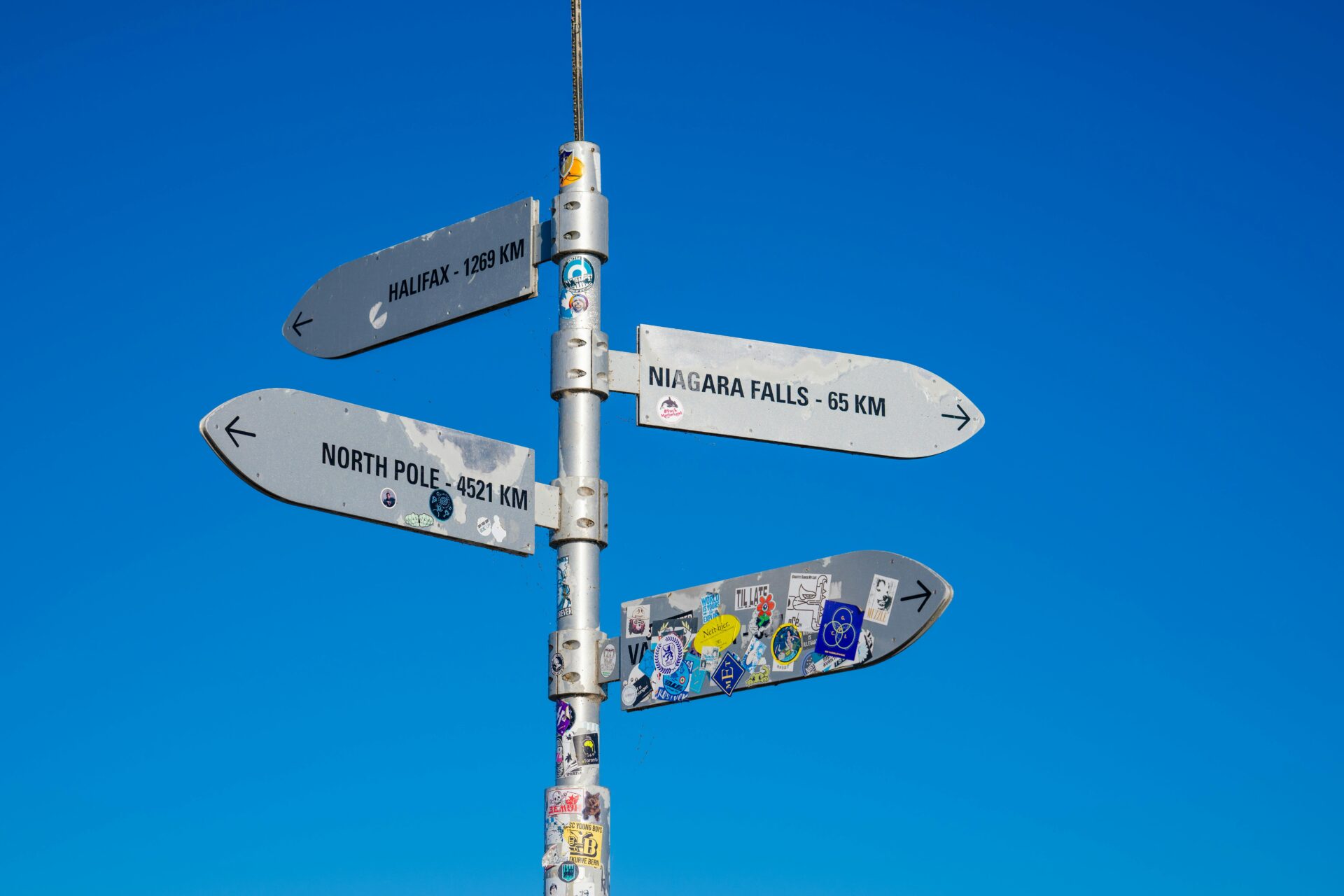
Properly designed wayfinding signs are a game-changer for office buildings or campus locations. When people enter a building they have never visited before, they immediately start searching for clues that help them understand where to go. Most people do not stop to analyze those clues. They simply look around and move toward the information that feels clear and trustworthy. That quiet guidance usually comes from wayfinding signs.
Good wayfinding signs allow visitors to move through a space without hesitation. They remove uncertainty and prevent the awkward moment when someone must stop and ask for help. When navigation feels natural, the building itself appears more organized and professionally managed.
Poor wayfinding does the opposite. Visitors wander hallways, open the wrong doors, or interrupt staff members for directions. Over time, these small frustrations affect how people perceive the entire facility.
Effective wayfinding system design solves this problem by creating a structured set of visual cues that guide people from arrival to destination. Understanding how that system works is the first step toward building signage that actually improves navigation.
Great Wayfinding Signs Begin With Orientation
The most effective wayfinding signs start by helping visitors understand where they are. This usually happens at the main entrance or in a central lobby. At this stage, people need a broad overview rather than detailed directions. Directory signs play a critical role here because they define the building’s layout.
A well-designed directory sign allows someone to quickly locate a department, office, or suite number before moving deeper into the space. Visitors can then form a simple mental map that guides their next decision. Without that initial orientation, even clear directional signage becomes harder to follow. People cannot interpret instructions if they do not understand their starting point. For that reason, directional signs serve as the foundation of most wayfinding systems. They anchor the entire navigation experience and set expectations for everything that follows.
Wayfinding Signs Determine How People Move Throughout the Building
Hallway Signs
From the moment a visitor enters the building, they see the main directory in the vestibule or reception area. Once visitors leave the area and begin moving through the building, each corner, hallway, or elevator lobby becomes another encounter with a sign to help them along. Hallway signs are one type of sign that complements and reinforces what is seen on the directory sign.
The copy or images on a hallway sign are minimalist compared to the directory, but they also provide simple directional cues to help visitors find their destination. For example, a sign might indicate that offices 200 through 220 are located to the left, while another department is located to the right. These small confirmations reassure visitors that they are still on the right track.
An effective wayfinding system design carefully places hallway signs at every moment where people must choose between two or more paths. When these decision points are clearly marked, navigation becomes intuitive. Visitors rarely realize how many directional signs they rely on during a short walk through a building.
Identification Signs Confirm the Destination
After moving through the building and following directional guidance, visitors eventually reach the final stage of navigation. At this point, they need confirmation that they have arrived at the correct location.
Office signs provide this final level of clarity.
Office signs identify specific rooms, suites, or departments. They often include names, titles, room numbers, or functions such as conference rooms or administrative offices. Although these signs may appear simple, they play an important role in completing the wayfinding experience. Without them, visitors may still hesitate upon reaching their destination.
A well-designed system ensures that office signs match the visual style and layout used in directory signs and hallway signs. Consistency helps people recognize information quickly and reduces confusion. When identification signs align with the broader system, the building feels organized and easy to navigate.
Consistency Is the Backbone of Wayfinding System Design
Modular Office Signs
Many wayfinding systems fail not because of missing signs, but because the signs lack consistency. Fonts may change between sign types. Colors may vary from one hallway to another. Layouts may shift depending on when a sign was installed. These small inconsistencies make information harder to process.
Properly designed wayfinding signs, on the other hand, use a consistent visual language and color scheme throughout the building. Typically, it includes modular sign frames in the same color and style. Typography remains the same across directory signs, hallway signs, and office signs. Color choices reinforce the building’s identity while maintaining strong contrast for readability. Layouts follow a predictable pattern, so visitors quickly learn how to scan information.
Consistency reduces the mental effort required to interpret each sign. Once someone understands the visual system, they can navigate confidently without having to stop to study every detail. For facility managers and designers, maintaining this consistency is one of the most important aspects of successful wayfinding system design.
The Placement of Wayfinding Signs Matters as Much as Sign Design
Even well-designed signs can fail if they are placed in the wrong location. Visitors naturally look forward as they walk through a space. They also tend to glance slightly above eye level when searching for information. Signs placed too low, too high, or around corners may go unnoticed.
Effective wayfinding signs appear where people expect them. Directory signs should be visible immediately after entering the building. Hallway signs should appear before visitors reach an intersection, not after they have already made a turn. Office signs should be positioned clearly beside the door or entry point they identify.
Placement decisions should follow natural traffic patterns rather than fill empty wall space. Designers sometimes choose locations based on convenience, but the best wayfinding systems follow how people actually move through the building. Observing visitor behavior often reveals where signs are truly needed.
Flexibility Supports Buildings That Change
One of the most overlooked aspects of wayfinding system design is how the building will evolve over time. Organizations grow, departments relocate, and tenants change. When signage cannot adapt to these changes, the wayfinding system becomes ineffective. However, changeable inserts within modular sign frames enable directory, hallway, and office signs to be updated quickly. Instead of replacing the entire sign, staff members can simply print a new insert and update the existing frame, saving time and money.
This approach maintains the building’s consistency and reduces long-term maintenance costs. More importantly, it ensures that wayfinding signs remain accurate for visitors. Buildings rarely remain static, and effective signage systems acknowledge that reality.
Wayfinding Signs Work Best as a Coordinated System
Directory Signs
The most successful navigation environments treat signage as a unified system rather than a collection of individual signs. Directory signs introduce the building layout. Hallway signs guide visitors through decision points. Office signs confirm the final destination. Each component supports the next step in the journey.
When these elements share consistent design, logical placement, and flexible update capability, visitors move through the building naturally. A thoughtful wayfinding system design does not overwhelm people with information. Visitors feel comfortable, staff spend less time giving directions, and the building projects a sense of organization and professionalism.
The Real Goal of Effective Wayfinding
In well-designed facilities, visitors will not consciously react to the signs. They will enter the building, look up at the directory, follow the hallway signs, and find the correct office without issue. Navigation is effortless because the information appears exactly where it’s needed.
When signage anticipates how people move through a building, the entire environment becomes easier to understand. Visitors arrive at their destination with confidence, and the building reflects the thoughtful planning that went into it.