Posted on

5 Creative Church Sign Design Ideas That Inspire

Ever consider the impact of a church sign in a place of worship? Walk into any church for the first time, and you can feel right away if the space feels welcoming. While architecture and people play a role, signage quietly shapes that first impression. A well-designed church sign helps guests feel confident, comfortable, and oriented within minutes.
Visible signage for churches removes uncertainty. Clear signage helps parents find children’s ministries without stress. It also guides newcomers to worship spaces without having to wander aimlessly around campus.  Most importantly, it reinforces the congregation’s character and values.
Modular and changeable systems take this impact even further. Churches evolve constantly, so flexible signage keeps the environment current without expensive replacements. When done well, indoor church signage becomes part of the ministry experience rather than just a functional tool.

Warm Welcome Signage That Sets the Emotional Atmosphere

Every church should start with a simple and inviting welcome message. This first church sign often sits near the main entrance or lobby. The intent is to provide a warm, comforting feeling and to help guide congregants to the proper location on the church campus.
Designers often use warm colors, approachable typography, and clear language to accomplish that goal. To complement the graphics, using a modular sign system allows seasonal messages or event information to be easily updated. This can be done as often as needed for literally the cost of paper and a little ink!
The benefits are immediate and immeasurable. Visitors feel comfortable, and regular members also appreciate seeing the updated messages showing current activities and seasonal themes. This approach unites emotional impact with practical flexibility. It is one of the most effective church sign ideas because it improves first impressions with minimal effort.

Branded Environmental Church Sign Graphics That Reflect Identity

Church environments feel more empowered when their visual identity appears consistently throughout the space. Branded or church-centric environmental graphics help reinforce mission, values, and culture. This includes overhead or suspended signs, meeting room signs, directory signs, and others. Using modular systems allows designers to update messaging as themes or campaigns change. It keeps the space aligned with the church’s direction without major renovations.
Members often feel a richer connection when they notice familiar colors and language repeated thoughtfully. Guests also obtain a clearer sense of what the church stands for. Indoor church signage that reflects identity helps unify the environment and makes the space feel intentional.
From a practical standpoint, modular graphics reduce long-term costs. Instead of replacing entire displays, teams can quickly update inserts or panels. This makes it easier to keep the space looking current and well-maintained.

Changeable Room Signs Which Adapt as Ministries Grow

Few environments change as often as church interiors. Classrooms shift, offices move, and ministries expand. Traditional engraved signs struggle to keep up with this pace due to the associated cost and time required to get the new sign in place. This is why changeable room signs remain one of the smartest solutions for signage for churches.
A modular church sign system separates the frame from the message. When a room function changes, staff simply replace the insert. The frame stays in place, so updates take minutes instead of weeks, keeping the facility up to date and professional at all times. It also reduces confusion, and parents, especially, appreciate knowing they can trust the signage when dropping off their children.

Intuitive Wayfinding Church Sign Concepts That Reduce Stress and Improve Flow

Wayfinding plays a key role in any building or campus setting, and churches are no exception. Churches often include a labyrinth of corridors, meeting rooms, classrooms, and offices. Churches, with their planning teams and carefully thought-out indoor church signage plans, provide simple, clear direction through properly placed navigation signs at key points throughout the building.
Designers emphasize clear typography, strong contrast, and logical placement. Modular directional signs allow teams to adjust arrows or destinations as layouts evolve. This keeps navigation accurate without redesigning entire systems.
The benefit goes past convenience. Clear wayfinding reduces stress and helps visitors focus on the purpose of their visit rather than worrying about getting lost. It also improves traffic flow during busy services and events.
When people can move through a space with ease, they feel more comfortable returning. That makes effective wayfinding one of the most valuable church sign ideas from both a practical and emotional standpoint.

Storytelling Graphics That Create Meaningful Moments

Church spaces frequently include opportunities to encourage contemplation. Storytelling graphics can highlight scripture, mission statements, or key moments. These visual moments contribute depth and meaning to hallways and gathering areas.
Modular displays make it easy to rotate messages throughout the year. Seasonal themes or sermon series can appear without permanent changes to the walls. This makes the environment engaging and relevant.
The benefits include the ability for members to pause, read, and reflect, which strengthens their connection to the space, while guests can gain insight into the church’s values and story.

Why Modular Church Sign Systems Deliver Long-Term Value

Modular church signage stands out because it supports both imagination and practicality. Churches rarely remain static, so signage has to adapt as they grow, much like businesses do. A changeable church sign system allows teams to update messaging quickly while maintaining a consistent message throughout the campus.
In addition, it’s not just the initial purchase that matters. The ongoing maintenance of these signs can become costly over time. With a modular sign system, the costs are significantly mitigated because only the insert, not the frame, needs to be updated. It also allows church administration, facility personnel, and volunteers to focus on the church’s core mission rather than recurring maintenance.
Most importantly, modular systems give churches the freedom to communicate effectively as their ministry evolves. This provides the flexibility needed to focus on daily operations and long-term planning.

Church Signs Allow People to Feel Welcome and Comfortable
church-sign
Modular Church Signs

Great signage quietly supports every exchange inside a church. It welcomes newcomers, guides families, and supports identity. When carefully designed, indoor church signage becomes part of the overall experience rather than just a functional necessity.

Creative design ideas paired with modular systems give churches the best of both worlds. They gain the capability to inspire while continuing flexibility. As ministries grow and spaces change, signage can evolve without losing consistency.
If there is one takeaway, it is this. A well-planned church sign strategy helps people feel comfortable from the moment they walk through the door. That feeling of clarity and welcome makes a lasting impression and encourages people to return again and again.

Posted on

How Office Door Signs Save Time and Money for Businesses

Walk through almost any office, and you will notice that office door signs are never static. Change happens constantly. People move offices, departments shift, and roles evolve. Yet many businesses still depend on static signage that was never designed to keep up with the pace of change. That is where modern office door signs make a real difference.
When you choose a flexible system, you remove a surprising amount of friction from daily operations. Instead of worrying about replacements or delays, you gain a simple way to keep your space up to date and professional at all times. More importantly, you free up time and energy to focus on the work that actually drives growth.  The ability to focus on your customers and generate sales and profitability for the business. This is where modular office signage can help get that time back and free up your day.

The Hidden Cost of Traditional Door Signage

At first glance, traditional signs look straightforward. You order them, install them, and move on. However, the real costs surface later as changes begin to pile up. For example, every time an employee moves or a department reorganizes, new signs need to be made. Someone has to place an order, wait for production, schedule installation, and dispose of the old sign. Those steps may seem small, yet they add up quickly over the course of a year or multiple years.
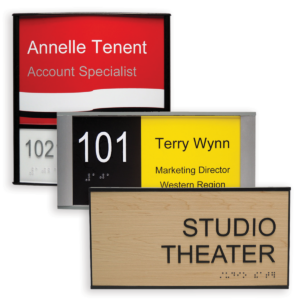
The good news is that changeable office door signs eliminate that process completely. Instead of replacing the entire sign, you simply update the insert. That small shift saves both time and money while reducing disruption across your office. The following illustrates what changeable office door signs can potentially look like. You may customize them with your color(s), logo, and more, and match them to your interior decor.

Why Flexible Office Door Signs Change Everything

Business leaders rarely think about signage until it becomes a problem. A missing nameplate or outdated title can create confusion for visitors and frustration for staff. Fortunately, interchangeable office door signs solve that issue before it starts.
Because updates take only minutes, your space stays current without planning or delays. That flexibility also helps teams adapt faster when growth or restructuring occurs. As a result, your environment always reflects how your organization actually operates. Over time, that consistency establishes trust with both employees and guests. People notice when details feel intentional and well-maintained.

How Modular Systems Support Daily Operations

Think about how often small changes happen in a typical office. A new hire joins the team, a manager moves to a new office, or a conference room gets repurposed. Each of these instances requires a simple update, yet it requires a lot of time if you have to call the local sign company. With personalized office door signs that use changeable inserts, those updates become routine tasks instead of special projects.
Office managers can handle them in-house without tools or outside help. That convenience keeps your workflow steady and predictable. Even better, teams no longer need to keep track of replacement orders or installation schedules. The signage system simply works in the background while you focus on higher priorities.

Long-Term Savings That Add Up

In our experience, cost savings rarely come from the initial investment; they come from eliminating recurring expenses that occur over time. As a side benefit, the modular nature provides a common look and feel throughout the building. This includes directory signs, table signs, cubicle signs, and others to complement office door signs.
More specifically, when you initially invest in a changeable door sign, you avoid paying for full replacements each time something changes. Over several years, that difference can be significant, and the system pays for itself faster than expected. At the same time, fewer replacements mean less waste. That practical benefit supports both your budget and your eco-friendly objectives.  Most modular sign systems are sustainable, with manufacturers investing in infrastructure and practices to ensure it.

Sustaining a Professional Appearance

A polished environment shapes how people perceive your organization. Clean, consistent office door signs signal attention to detail and professionalism from the moment someone walks in.
Custom office door signs let you align typography, colors, and layouts with your brand standards, and employees benefit from clear identification throughout the building. When rooms and offices are easy to find, everyone benefits. Solid wayfinding signage helps visitors navigate the building quickly and efficiently.

Supporting Growth Without Disruption

When businesses grow, there’s excitement tempered by the work effort required to support it. Expanding office space, new staff responsibilities, and increased sales can strain existing systems, especially those that were not designed for change. For most business professionals, signage is the last thing on their list and one they would rather not stress over.
Changeable office door signs scale naturally as your organization evolves. You can add new inserts, update names, or reassign spaces without replacing the entire system. That adaptability keeps your environment aligned with your development path. As a result, you avoid the stop-and-start cycle that traditional signage creates. Instead, your space evolves smoothly along with your business.

Choosing the Right Office Door Signs for Your Space

Not all signage systems deliver the same experience. When evaluating options, durability should be at the top of your list. A well-built frame protects your investment and keeps the sign looking sharp over time. Ease of updates also matters. The best interchangeable office door signs allow quick, tool-free insert changes. That simplicity ensures your team will actually use the system as intended.
Design flexibility remains another key factor. Look for solutions that support a range of insert styles, finishes, and sizes. This approach allows your signage to complement rather than compete with existing interiors. One solution is Vista System, which offers a comprehensive suite of office signage, though there are others on the market. Do your research and decide which is right for you.

The Freedom to Focus on What Matters

Every operational improvement creates space for better focus. When you remove small but recurring tasks, your team gains more time for meaningful work. Office door signs may seem like a minor detail, yet they influence how smoothly your workplace runs.
By choosing custom door signs with a modular approach, you eliminate the constant cycle of replacements and updates. With that freedom, the focus can stay on your customers, business strategy, and sales rather than on administrative tasks.

A Smarter Way to Think About Office Door Signs

office-door-signs
Office Door Signs

It helps to view signage as part of your operational infrastructure rather than a one-time purchase. When due diligence and adequate research are done up front, modular door signs support efficiency, clarity, and professionalism across your organization.

Office door signs that adapt to change present a practical advantage in today’s fast-moving environment. They reduce costs, simplify updates, and help maintain a clean appearance without extra effort.
Most importantly, they remove one more distraction from your plate so you can stay focused on building and leading your business.
If you are looking for a simple way to improve effectiveness and maintain a professional environment, modular signage is a smart place to start.
Posted on

Vista Systems vs Traditional Signage: Why Changeable Signs?

Vista Systems Changeable Signs Stand Apart From Traditional Sign Solutions

Vista Systems has built a strong reputation across the architectural signage industry over its 30 years in business. They deliver flexibility, consistency, and a pleasing aesthetic appearance that complements the most discriminating business settings. More importantly, they solve a very practical problem faced by most businesses by making sign maintenance simple without sacrificing design.
The following illustrates the primary advantages of Vista Systems signage compared to other sign options. The intent is to provide a clear understanding so that one can make a well-informed, confident decision when purchasing signage for your business.

Understanding How Vista Systems Works

Vista Systems are modular architectural sign solutions built around curved aluminum extrusions and changeable inserts. Instead of engraving or permanently printing the message onto the sign face, the message lives on a removable insert. That insert slides into the frame and can be replaced when information changes.
This simple concept makes a big difference in day-to-day operations. Rather than ordering a completely new sign, you only update the insert. The frame stays in place, keeping your environment consistent and reducing waste.
Vista signs come in many formats, including room signs, directories, hallway signs, and wall-mounted wayfinding signs. Because the design language remains consistent across all types, facilities can preserve a unified look from the lobby to the smallest office door.

Flexibility That Keeps Up With Today’s Business Environment

One of the biggest advantages of Vista Systems is its ability to adapt to change. In most facilities, change is not occasional. Staff turnover, departmental restructuring, and tenant updates happen all the time, especially post-Covid.
For example, with traditional engraved plaques, whenever a person’s name or title changes, a new sign must be purchased. This implies calling the local sign company and hoping for a return call. It also means additional costs, delayed production, and coordination issues with installers.
The good news is that Vista sign frames remove that friction. You simply print a new insert and slide it into place. Many organizations manage updates in-house, which saves time and keeps operations moving smoothly. As a result, the signage stays accurate without having to call the local sign company. It also means no delays, coordination issues, or incremental costs.

Vista Systems and Long-Term Cost Efficiency

The upfront, one-time initial purchase is just one part of the equation when choosing signage. However, the real cost extends through the life of the sign. This is the true benefit of choosing Vista Systems compared to traditional sign suppliers.
By keeping the frame and only replacing the inserts, you avoid the expense of a full sign replacement. Over time, especially in larger buildings or campus settings, the savings can be substantial. It also reduces administrative overhead, as updates are faster and easier to manage.
To be fully transparent, lower-cost modular systems exist, but they typically lack the durability and quality of Vista frames. On more than one occasion, we’ve had to replace Vista Systems’ “knock-off” signs for those reasons, causing the customer to pay almost twice the cost of the signs up front. It’s very attractive to see lesser-priced alternatives, but you typically get what you pay for in that regard.

Modular Design Across All Sign Types

Consistency plays a major role in how people perceive a space. When signage looks cohesive, it strengthens professionalism and helps visitors feel oriented. When sign styles vary, the environment can feel disjointed. Vista’s modular sign frames provide that consistency, whether or not an existing sign program is in place.
To be specific, Vista’s product lines include directory signs, office signs, cubicle signs, and many other sign types, all of which share a common look and feel. This means that no matter what hallway, floor, or building you enter, you will see the same style of sign. With both flat and curved profiles, Vista signs create a modern architectural look that suits most business decor.

A Professional Appearance That Improves the Environment

Vista systems offer a refined appearance that matches modern interiors without feeling overly decorative. The aluminum construction features a clean, durable finish, while the inserts allow for a full range of colors and graphics to complement your brand.
Many competing modular sign products focus primarily on cost, whereas Vista frames keep a balance between visual attractiveness and practical performance.

Vista Systems Durability That Holds Up Over Time

High-traffic areas, cleaning routines, and daily wear can quickly expose weaknesses in lower-quality products. Vista sign frames are built with sturdy materials that stand up well in demanding settings.
The aluminum extrusions resist damage and maintain their visual appeal over time. Because the inserts are protected within the frame, they are less likely to show wear compared to surface-mounted graphics. This helps signage maintain a professional appearance even after years of use.

How Vista Systems Compares to Traditional and Custom Signs

Traditional engraved signs still have their place, especially in environments where information rarely changes and in some pseudo-exterior environments where paper is not an option. That said, they lack the flexibility that most modern settings require, namely the ability to avoid ordering a new sign for each update, saving both time and money.
Custom-fabricated signs can deliver a unique look, but they often come with longer lead times and higher replacement costs, whereas Vista Systems offers a middle ground. Vista offers a strong architectural aesthetic with the added ability to update quickly, making it a logical choice for organizations that value both design and capability.

Real-World Applications Where Vista Systems Excel

Healthcare, education, and corporate are just three vertical industries that benefit greatly from Vista Systems’ versatility. When departments shift, staff changes occur, titles change, etc., changeable insert signs make a lot of sense.
As teams grow and reorganize, signage can keep pace without calling for constant replacement. This helps maintain a clean appearance throughout the workplace. The ability to update quickly while preserving consistency makes Vista Signs a reliable solution.

When Vista Systems Is the Right Choice

vista-systems-sign-frames
Vista Systems Sign Frames

Vista Systems signage works best in situations where information changes periodically and design consistency matters. They are ideal for organizations that want a professional look without committing to frequent full replacements.

Choosing signage is both a practical and calculated decision. You want a solution that looks professional today yet continues to outperform over time. Vista Systems offers a combination of flexibility, durability, and design consistency that addresses real business needs.
By reducing replacement costs and simplifying updates, they support smoother facility management. At the same time, their clean architectural appearance augments the overall environment. For many organizations, that balance makes Vista Systems a smart investment that pays off over time.
We welcome the opportunity to assist in making an informed decision on your next purchase. Please give us a call or request a quote for more information on Vista Systems signage or architectural signage in general!
Posted on

Choosing Women’s Restroom Signs for Your Business

Looking for women’s restroom signs for your business?  If so, this guide should help you make an informed purchasing decision.  On the surface, selecting the right restroom signage for your facility appears straightforward until you start researching the various options. There are numerous choices involving materials, mounting methods, and compliance requirements. That said, making an informed decision about women’s restroom signs doesn’t have to feel overwhelming.
The following will lead you through the main factors to consider when making that purchasing decision.  This should help you understand exactly what to look for when purchasing restroom signs for business that meet regulations while improving your space.

Understanding ADA Compliance Requirements

First and foremost, your womens restroom sign must meet federal accessibility standards. The Americans with Disabilities Act establishes specific requirements that must be followed. These rules exist to ensure everyone can navigate your facility independently.
Your signs need raised characters that people can feel and Grade 2 Braille. The haptic elements require specific dimensions and stroke width to be compliant, along with the mounting height. ADA-compliant women’s restroom signs must be installed between 48 and 60 inches from the floor to the centerline on the latch side of the door.  An ADA installation guide is typically available within your locality to ensure proper compliance.
In addition, you’ll need adequate color contrast between the text and background. Most reputable manufacturers provide a color contrast chart to ensure compliance.  This helps people with visual impairments locate and read your signage more easily. Non-compliant signs can result in costly violations and potential lawsuits. Therefore, working with a knowledgeable supplier who understands these requirements is vital.

Choosing the Right Materials for Your Women’s Restroom Signs

The materials you select for your restroom signs impact both appearance and longevity. Acrylic signs are by far the most popular, offering versatility, style, and a competitive price point. Brushed metal, including aluminum or stainless steel, conveys class and permanence, albeit at a higher cost.
Changeable insert signs, such as those supplied by Vista System are a great example of high-quality aluminum signs with easy-to-update inserts.  It’s an inexpensive option when sign content changes frequently, saving both time and money on ongoing maintenance.
Photopolymer has become increasingly popular for ADA women’s restroom signs, especially in public-facing environments. The photopolymer fabrication process permits precise tactile characters and Braille while offering excellent durability. It also resists fading and maintains its appearance, especially in high-traffic areas.
Wood composites provide warmth and natural appeal; however, they typically require more maintenance than man-made alternatives. Choosing the right material should be based on your customer traffic volume, standard maintenance procedures, and overall aesthetic design.

Design Considerations and Workplace Aesthetics

Your ladies’ restroom sign serves a functional purpose while enhancing overall aesthetics. Balancing these elements requires proactive design elements and evaluation.
Brand identity is the first consideration.  Whether a tech startup with minimalist design preferences or a historic building with customary styling, your signage should feel cohesive with your existing interior design and decor.
Typography is another design consideration and also a key component in compliance. Sans-serif fonts generally offer better legibility from a distance and are required for ADA compliance. Additionally, kerning or adequate letter spacing prevents characters from visually blending together.
Finally, color choices are also a key consideration. High contrast combinations improve wayfinding for everyone, not just the visually impaired. Classic combinations like white on dark backgrounds or dark on light backgrounds work reliably.  Most suppliers have ADA color contrast guides to ensure color choices for your women’s restroom signs meet ADA compliance standards.

Women’s Restroom Signs and Environmental Aspects

Assessing your existing surroundings and the volume of customer traffic are two factors to consider when choosing the type of materials to use. High-traffic, frequent cleaning, accidental impacts, random vandalism, and constant use will affect their longevity. Consequently, investing in high-quality materials for these factors will mitigate maintenance and replacement costs.
Lighting conditions also influence visibility. Poorly illuminated hallway corridors require signs with enhanced contrast or potentially illuminated options. Conversely, areas with abundant natural light need materials that resist fading and discoloration.  The graphics and text are also a factor.  The standard rule of thumb is one inch character height for every ten feet of distance for proper visibility.

Installation Methods and Best Practices

Mounting your ADA-compliant women’s restroom signs affects both compliance and effectiveness. ADA guidelines specify that signs must be installed on the wall adjacent to the latch side of the door.
Permanent mounting commonly involves screws or heavy-duty adhesive delivering security and stability for permanent installations.
Semi-permanent options use removable adhesive or changeable mounting frames. These systems enable simpler, easier updates while maintaining a professional appearance and ADA compliance. Consider your future needs when selecting an installation method from both a cost and maintenance perspective.

Monetizing Your Overall Investment

Understand that high-quality restroom signs represent an investment in your facility’s wayfinding functionality and brand image. Modular signs, with a common look and feel, help drive consistency across building floors and campus environments.
For example, maintenance requirements vary widely by material and finish, where some signs clean easily with standard solutions, while others require special care. Assess the level of maintenance needed upfront to ensure you’re choosing the right materials.
In addition, reputable sign manufacturers typically offer warranties on their sign products. Warranties demonstrate confidence in quality and provide recourse in case of problems.  If not listed on their website or catalog, please inquire before purchasing your women’s restroom signs to clearly understand their warranty policy.

Women’s Restroom Signs in a Nutshell

womens-restroom-signs-bp01Choosing women’s restroom signs involves more than picking something that looks nice. Decisions such as compliance, user experience, and aesthetics also play a factor. Consult your sign provider or local inspector to confirm your local ADA requirements for your office building, evaluating materials based on your environment and traffic patterns. Work with suppliers who understand both regulatory requirements and design principles. Ask questions about materials, installation, and long-term performance.


A knowledgeable partner helps you avoid costly mistakes while achieving the results you envision.
If in doubt, contact your local sign provider for more detailed information.  Ask for a consultation or on-site visit to ensure your issues are addressed.  This is free of charge and will help in your decision-making process.
Posted on

Why Sign Holders Make Sense for Your Business

How many times have you ordered new sign holders this year? If you’re like most business owners, the answer might surprise you. Between staff changes, departmental shifts, and updated regulations, signage costs add up fast.
There’s a smarter way to handle this. Changeable sign holders give you control over your signage without the recurring expenses. Let’s explore why more businesses are making the switch.

Sign Holders Drive Cost-Effectiveness Over Time

Think about what you’ve spent on signage over the past year. Every time someone leaves or joins your team, you need new nameplates. When departments reorganize, you need new directional signs. Seasonal promotions require fresh retail sign holders.
Traditional permanent signage comes with a hidden price tag. You’re not just paying for the sign itself. You’re paying for design time, fabrication, shipping, and sometimes installation. Multiply that by every change throughout the year, and you’re looking at a significant expense.  Whereas, changeable sign holders flip this model on its head. You make a one-time investment in quality frames. After that, updates cost you almost nothing. Your team can print new inserts on standard office equipment. There’s no waiting on vendors or paying rush fees.
For example, consider a mid-sized office with 50 employees. Annual turnover averages 15% in most industries, which means at least seven or eight nameplate changes per year. Conservatively, at $25 to $40 per standard, off-the-shelf sign, you’re spending several hundred dollars annually on nameplates alone. Meanwhile, changeable table sign holders let you update these for pennies. Consequently, you recoup your initial investment quickly, often within the first year.  There’s no added cost in the initial purchase above what you would have normally spent.  You pay once and enjoy “free” maintenance for the life of the signs.

Immediate Updates Without Downtime

Information changes fast in business. A conference room gets reassigned. An employee moves to a different desk. A temporary closure needs immediate posting. You can’t afford to wait three weeks for new signs.
Speed matters when accuracy is critical. Outdated signage confuses visitors, frustrates staff, and also looks unprofessional. Clients notice when nameplates don’t match current employees or when room directories are wrong.
With changeable wall sign holders, updates happen on your schedule. Your administrative team handles changes in-house by simply printing new inserts. Most importantly, there’s no vendor back-and-forth, no proofing delays, and no shipping wait times. You need a new insert? Print it and swap it out. The whole process takes minutes.
This promptness is especially valuable inside dynamic environments. Healthcare facilities need current patient information. Retail locations require timely promotional messaging. Co-working spaces must reflect today’s desk assignments, not last week’s. Furthermore, you keep control over quality and timing. You decide when changes happen. You’re not at the mercy of a sign shop’s production schedule.

Professional Consistency Across Locations

Brand consistency challenges every multi-location business. You want each office or store to feel cohesive. Yet each location needs customized information. This is where changeable sign holders genuinely shine. The frames provide visual harmony across all your locations. Whether you choose metal sign holders for a contemporary style or classic styles for traditional spaces, that aesthetic remains constant. Only the content changes.
For example, think about a retail chain with 20 locations. Each store needs employee nameplates, departmental signage, promotional displays, shelf talkers, and more. Traditional signage means coordinating orders across multiple locations, guaranteeing everyone uses the same specifications, and hoping the finished products match. Changeable systems eliminate these headaches. You order identical sign holders once. Then each location customizes their own inserts using your branded templates. The result is consistent uniformity with local flexibility.
Having a uniform sign schedule also simplifies training and maintenance. Staff across all locations learn a single system, and replacement signage is easy to procure. The facilities team doesn’t need to track different mounting hardware or frame styles for different offices. Additionally, consistency builds brand recognition. Customers moving between locations experience familiar visual cues. This reinforces your professional image and creates confidence.

Sign Holders are Designed for Flexibility for Flexible Environments

Business moves fast these days. Offices adopt hot-desking. Conference rooms fulfill various functions. Retail displays rotate with inventory. Your signage needs to keep pace.
Static signs lock you into yesterday’s configuration. Changeable sign holders adapt as your needs evolve. Such flexibility backs modern workplace trends without sacrificing professional appearance.
Hot-desking presents a perfect example. Employees no longer have assigned spaces. Yet visitors still need to find people. Changeable table sign holders let you update desk assignments daily if needed. The same principle applies to meeting spaces that serve different teams throughout the week.
Retail environments benefit enormously from this adaptability feature. Seasonal promotions change monthly or even weekly.  With retail being a “me too” environment, products are promoted based on competitor offers so as not to lose competitive advantage. In addition, product lines shift according to consumer demand. Changeable retail sign holders let you refresh messaging without replacing entire display systems.
The same is true in healthcare, where they too face similar challenges. For example, patient rooms change occupancy, department services expand or contract, and doctors occupying in-house suites come and go. Flexible signage accommodates these shifts seamlessly. Moreover, this suppleness extends your signage lifespan. You’re not throwing away perfectly good signs because the information changed. The hardware continues serving you year after year.

Sustainability and Waste Minimization

Let’s examine something that matters to businesses and customers alike. Environmental accountability isn’t just good ethics anymore. It’s good business.
Traditional signage replacement creates considerable waste. Acrylic, aluminum, and vinyl all end up in landfills when signs become outdated. Multiply this across all your location changes, employee turnover, and promotional cycles. The environmental impact adds up.
Changeable sign holders dramatically reduce this waste stream. The frames are built to last years, even decades. Only the paper inserts need replacing. Most businesses print these on recycled paper.
This is consistent with corporate eco-friendly aims that many organizations now prioritize. You can quantify your waste reduction. That’s meaningful data for sustainability reports and stakeholder communications.
Additionally, reduced shipping frequency lowers your carbon footprint. You’re not receiving constant sign deliveries. One shipment of sign holders serves you indefinitely. Updates happen in-house with no transportation emissions.
Customers notice these efforts too. Consumers increasingly choose businesses which demonstrate environmental accountability. Your signage system may appear as a minor detail, but it adds to a larger sustainability story.

Making the Switch to Changeable Sign Holders

sign-holders-with-changeable-inserts
Changeable Office Sign Holders from Vista System

Changeable sign holders represent more than a product purchase. They’re a tactical decision that gives you control over your signage program. You gain flexibility, reduce costs, and maintain professional standards simultaneously.

The initial investment pays dividends through reduced replacement costs and increased operational efficiency. Your team spends less time liaising with vendors and more time on main business activities. Updates happen when you need them, not when a sign shop’s schedule allows.
Whether you need wall sign holders for directional purposes, table sign holders for desks and counters, or retail sign holders for merchandising, the changeable approach adapts to your specific requirements.
The first step in making the switch is to evaluate your current signage costs and opportunities for improvement. This includes your monthly spend on replacement signage, combined with the delayed updates because you don’t have the time to place the order.
Smart businesses choose flexible systems that expand and adjust with them. Changeable sign holders deliver that flexibility without sacrificing professional appearance. That’s an investment worth making.
Posted on

Procuring ADA Signs for Your Office – A Complete Guide

Getting ADA signs right for your office building might seem daunting at first. However, once you understand the process, it becomes a straightforward series of informed decisions. This guide will walk you through each step, helping you create a compliant and professional wayfinding system that serves everyone who enters your building.

ADA Signs – Understanding What You Actually Need

Before you order a single sign, you need to know which signs require ADA compliance. Not every sign in your building falls under these regulations. Permanent room identifications, such as restrooms, stairwells, and room numbers, must meet strict standards. Meanwhile, temporary signs and most directional signage have more flexibility.
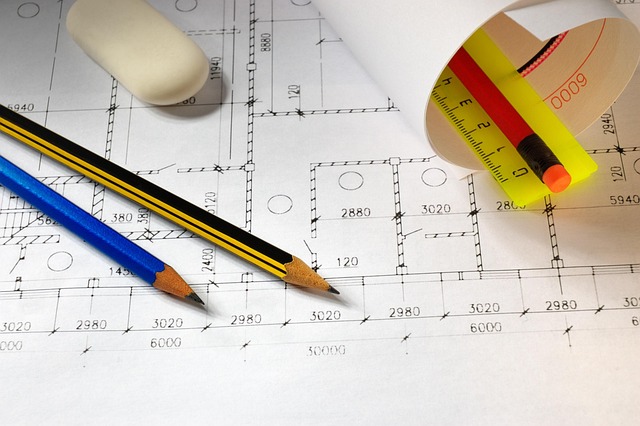
Start by walking through your building with your architectural plans in hand. Identify every permanent room that needs identification. Pay special attention to ADA bathroom signs, as these are among the most scrutinized during inspections. Create a comprehensive list that includes office numbers, conference rooms, and all common areas.
This initial audit saves you money and headaches down the road. You’ll avoid over-ordering compliant signs for areas that don’t need them. At the same time, you won’t miss critical locations that absolutely require them.

Navigating the Regulations Without Losing Your Mind

ADA regulations are specific, but they’re not impossible to understand. The key requirements focus on making information accessible to people with visual impairments. Consequently, your signs need both visual and tactile elements.
Text must have a non-glare finish with specific contrast ratios between characters and backgrounds. Characters need to be raised at least 1/32 inch. Additionally, Grade 2 Braille must accompany the raised text. These aren’t suggestions or best practices. They’re requirements that keep your building compliant and welcoming.
The ADA sign height matters more than most people realize. Tactile characters must be mounted between 48 and 60 inches above the floor, measured from the baseline of the lowest character. Furthermore, signs should be positioned on the latch side of doors where possible. Your local building codes might have additional requirements, so check with your jurisdiction before finalizing plans.

Design & Compliance Decisions for ADA Signs

When signing a building, compliance and aesthetics eventually meet. You have more creative freedom than you might think. While the regulations specify minimum standards, they give you room to express your brand identity. Choose fonts that are both ADA-compliant and consistent with your corporate aesthetic. Sans-serif fonts typically work best because they’re easier to read. However, many serif fonts also meet the requirements if you select them carefully. The key is avoiding excessively decorative or condensed typefaces.
Color selection demands careful evaluation of contrast values. Light characters on dark backgrounds or vice versa both work well. Test your color combinations against the required 70 percent contrast ratio.  The following chart represents what a typical ADA color contrast chart would look like where custom ADA signs can incorporate your brand colors while meeting these specifications. Pictograms provide universal understanding across language barriers. Select symbols that are widely recognized and culturally appropriate. The International Symbol of Accessibility, for instance, is required for accessible restrooms and parking.

Choosing Substrates and Materials That Last

It’s pragmatic to source materials for both appearance and longevity. Acrylic offers a modern, professional look and holds up well in interior environments. Metal signs, particularly aluminum, provide outstanding durability and a premium feel in both interior and exterior settings. Vista System provides several suites of office signs that combine both.
Wood materials can work beautifully in the right setting, though they call for careful finishing to maintain proper contrast.  Great for niche or boutique settings, they are also typically the hardest to match should new signs be needed in the future.
The method you choose for creating tactile elements affects both cost and quality. Subsurface engraving with paint fill creates durable, permanent characters. Photopolymer dome application offers excellent tactile quality with design flexibility. Applied acrylic letters provide a dimensional look that exceeds minimum requirements.
Think about your building’s traffic patterns and maintenance schedule. Busy traffic areas need more durable materials and finishes, especially in public-facing environments. Therefore, investing in quality materials initially saves on replacement costs later.

Finding the Right Manufacturing Partner for ADA Signs

Not all sign manufacturers understand ADA requirements equally well. Look for vendors who specialize in ADA Braille signs and can demonstrate their expertise. Ask for samples that you can physically inspect and touch. The Braille should be properly sized and positioned. Raised characters should have the correct height and finish.
Ask for references from similar office building projects. A manufacturer’s track record tells you more than their marketing materials ever will. Additionally, inquire about their quality control processes and compliance verification procedures.
Manufacturing schedules differ greatly between manufacturers, and so can the quality of the finished product. Consequently, it’s important to plan accordingly, especially with remodels or large construction projects. Lead times can range from 10-15 business days to several months. Rush orders are generally available but often come with premium pricing.

Creating Uniform Sign Schedules for Your ADA Signs

Developing a detailed sign schedule linked to your architectural plans helps prevent misunderstandings from project inception through installation. A schedule listing each sign location, sign copy, size, and mounting instructions is imperative for proper signing procedures in the office.
Sign schedules are typically coordinated with construction during new builds and renovations. Typically, general contractors will have local sign companies or sign subcontractors do the installation.  The subcontractors will come in near the end of construction, after painting is complete but before final inspections. Phased installation mitigates disruption, especially in occupied buildings.

Proper Installation Procedures

Since there are different wall types to consider, so are the mounting options. Drywall installations need appropriate anchors, typically wall anchors and screws, or VHB (Very High Bond) double-sided tape. Concrete or masonry walls require specialized fasteners for mounting.
Verify mounting heights and positions during installation. Even perfectly compliant signs fail inspection if they’re mounted incorrectly. Use a measuring tape and level religiously. Check that signs are on the latch side of doors where required.
Coordinate with other trades to avoid conflicts. Electricians, painters, and finish carpenters all work in the same spaces. Good communication prevents damage and rework.

The Ongoing Maintenance of ADA Signs

ADA signage needs do not end at installation.  Tenants come and go, names and titles change, as do room names. Best practices suggest ordering a few extra signs in standard sizes as spares.
Develop a maintenance plan for cleaning and inspecting your signs. While quality ADA-compliant signs are relatively sturdy and can withstand public-facing traffic, they do require occasional maintenance.
Keep records of your original sign schedule, manufacturer specifications, and installation photos. This documentation is extremely useful during inspections and future updates, especially when there’s staff turnover.

What Does It All Mean?

ADA Signs from Vista System
ADA Signs – Vista System

Procuring ADA signs for your office building is absolutely manageable when you break it into phases. Start with a comprehensive evaluation of your needs and understand the local sign codes.  Talk through the design and materials with a qualified manufacturer. Communicate frequently throughout installation and implement a strategy for ongoing maintenance.

The result is a wayfinding system that serves all building occupants while reflecting your professional standards. You’ll have the confidence that comes from knowing your building is equally compliant and welcoming. That’s a worthwhile investment in your property’s value and your occupants’ experience.
Posted on

Men’s Restroom Signs – A Compliance Guide for Your Investment

Why Placement Standards Exist

The Americans with Disabilities Act (ADA) didn’t establish restroom sign requirements arbitrarily. The standards reflect years of research on how people with varying abilities navigate buildings. Men’s restroom signs, or any restroom signs, positioned at the correct height serve wheelchair users who need to read them from a seated position. Similarly, these tactile elements help visually impaired visitors locate their desired location independently.
When we talk about compliance, we’re really discussing universal access. Your building serves diverse users every day; your signage needs to work for all of them.

The Technical Requirements of Men’s Restroom Signs

Let’s talk specifically about what the code actually requires for installing a men’s restroom sign. The centerline of your sign must sit at 60 inches above the finished floor. This measurement is exact, not approximate. Additionally, the sign must be mounted on the wall adjacent to the latch side of the door. The sign also requires specific clearances. ADA requires at least 18 inches of clear space horizontally from the door frame’s edge. Furthermore, nothing can protrude into the path of travel below 80 inches in height. These requirements apply equally whether you’re installing a boys’ restroom sign at an elementary school or modern restroom signs in corporate headquarters. The ADA code doesn’t distinguish based on building type or appearance preferences.
Character height matters too. Raised characters must measure between 5/8 and 2 inches tall. The Braille must appear directly below the corresponding text. Grade 2 braille is the standard, and the dots need proper spacing and dome height.

Where Most Installations Go Wrong

A contractor eyeballs the height rather than measuring precisely. Alternatively, someone mounts the sign in a more aesthetically pleasing location that violates the latch-side requirement. Sometimes, installers place men’s restroom signs on beautiful feature walls that lack the required clearances.  Each of these mistakes stems from the same root cause. People treat signage as a finishing detail rather than a code-compliance issue; however, that mindset creates risk you don’t need to carry.
One must also consider the mounting surface itself. The wall must be stable and suitable for tactile interpretation. Consequently, you cannot mount compliant signage on wallpaper, fabric, or highly textured surfaces. The substrate needs to provide the contrast and stability required for tactile reading.

Comprehending the True Cost of Non-Compliance

Civil rights lawsuits under ADA Title III have become increasingly common. Plaintiff attorneys specifically target accessibility violations because the law allows them to recover fees. Therefore, a single complaint can cause demands for building-wide audits and corrections.  Although we’re discussing men’s restroom signs the violations extend to all ADA-related signage.
The Department of Justice can also initiate investigations based on complaints. These investigations examine your entire facility, not just the specific issue reported. That one issue, regardless of severity, can surface multiple violations throughout the building.  Using experienced sign companies or third-party consultants from project inception mitigates these downstream problems.
In addition to potential legal exposure, hard costs may be incurred. Removing and reinstalling signs disrupts operations and is expensive. There’s the cost of purchasing new signs, the installation labor, and potentially the wall repairs where incorrect mounting damaged surfaces. It’s also important to note that some modern restroom signs use custom finishes or accents that require long fabrication lead times.
Insurance carriers are also paying attention. Accessibility complaints can influence your coverage and premiums. Furthermore, repeated violations may limit your options in the insurance marketplace.

The Reputational Dimension of Men’s Restroom Signs

Your building reflects you and makes a statement about your values. When visitors encounter barriers to access, they form immediate impressions about your organization. Conversely, facilities that work seamlessly for everyone communicate respect and professionalism.
Commercial tenants value accessibility when deciding on their office space. They recognize that open environments benefit recruiting, customer service, and brand perception. In addition, landlords with compliance issues face longer vacancy periods and downward pressure on lease rates.  Concentrating on the design, fabrication, and placement proactively will help maintain that reputation.

Building a Reliable Compliance Process

Top facility managers value their time and validate compliance rather than assume it. They request certification from their sign manufacturers that their products meet current ADA standards.  They also request sign submittals, proofs, or technical specifications for review and approval prior to fabrication to ensure compliance.
Once the signs are installed, they schedule a post-installation walk-through specifically focused on accessibility features. They check every men’s restroom sign against the requirements before releasing the final payment.  Local inspectors are typically available for review, as are city and county planning departments to assist.
Reputable sign companies understand ADA restroom sign installation guidelines intimately. They can flag possible issues during the design phase rather than after installation. Additionally, they typically provide compliance records that support your due diligence.

Men’s Restroom Signs and Moving Forward with Confidence

mens-restroom-signs-vista-system
Men’s Restroom Signs

Compliance doesn’t require perfection on day one; however, it does require devotion to understanding the standards and implementing them correctly. When you approach men’s restroom signs as critical accessibility infrastructure rather than decorative elements, you make better decisions.

Your facility deserves signage that works correctly and complies fully. More importantly, your visitors deserve environments that welcome them without barriers. Getting the details right demonstrates the professionalism that defines successful facility management.  We welcome the opportunity to talk to you about our suite of men’s restroom signs, modular sign frames, or ADA signage in general!
Posted on

Directional Signs: Building a Wayfinding System That Works

directional-signs-img01

Have you ever walked into a large building and felt completely lost? Poor wayfinding frustrates visitors, wastes time, and creates unnecessary stress. Consequently, designing an effective directional sign system is one of the smartest investments you can make for your facility.  Directional signs, when properly designed and placed, can significantly improve customer traffic patterns.

A well-planned wayfinding system does more than point people in the right direction. It creates confidence, improves the visitor experience, and reflects positively on your organization. Moreover, it reduces the burden on your staff, who would otherwise spend time giving directions.

Understanding the Foundation of Wayfinding

Wayfinding is the process of using visual cues to help people navigate physical spaces. It’s like creating a conversation between your building and its visitors, where every directional sign becomes part of the interaction.

When a building is signed improperly, it means more than just frustration. Aside from negative first impressions, it also means late arrivals and missed appointments due to inadequate signage. There are also emergency situations where clear directional signs can be critical for safety.

We counsel our clients such that their wayfinding system works intuitively. Visitors shouldn’t need to study a map or ask for help at every turn. Instead, they should move through their space with ease and confidence.

The Essential Types of Directional Signs

In creating an effective system, it’s important to understand the different sign types and their purposes. Each plays a specific role in guiding visitors through your facility quickly and effectively.

Identification signs mark specific locations. Vista System refers to these as office signs or door signs.  These signs typically contain room numbers, room names, department names, and employee names and titles.

Directory signs provide overview information. These signs typically appear at building entrances and near elevator banks on each floor. Lobby directories, floor directories, and tenant listings help visitors plan their route before they start walking.  Directory signs are the first signs one encounters upon entering your building.

Suspended and projecting signs fill in the gaps. They support transitions, intersections, stairwells, and secondary corridors. These are used throughout the building in long corridors, signaling stairwells, exits, and restrooms, among others.  These complement all the other signage, especially directory signs.  Without them, even the best directory fails.

Directional signs with arrows guide people along their journey.  A directional arrow sign is typically found in long corridors, hallway intersections, or in locations where the destination may not be easy to find.  Corridor signs, overhead markers, and wall-mounted directional arrow signs guide visitors to the next destination.

Pylon and monument signs handle exterior wayfinding. These are larger signs, specifically designed to direct your clients or visitors to the correct building.  They help visitors navigate campus environments or business parks, allowing them to find the right building entrance. Custom directional signs for outdoor use must withstand weather while maintaining visibility.  They are typically fabricated differently from interior signage.

Regulatory signs ensure compliance and safety. ADA-compliant room identification and exit signage fall into this essential category. These signs have strict guidelines on both fabrication and installation.  To illustrate that point, here is an example of ADA Braille Sign Installation Guidelines for reference.

Creating a Clear Information Hierarchy

When properly designed, effective wayfinding systems follow a clear hierarchy. They typically start with general information and progressively add more specific location details as one moves further into the building. Building entrances, elevator lobbies, hallway intersections, and stairwell exits all require careful attention when signing a building. Consequently, strategically placing your directional signs at these locations is critical.

By carefully layering your information, lobby directory signs provide the main introduction. Then directional signs in hallways take over, providing turn-by-turn guidance. Finally, room identification signs at destinations confirm arrival and complete the loop.

Designing Directional Signs for Consistency and Clarity

Visual consistency ties your entire system together. Consequently, establish clear standards for fonts, colors, materials, and sizing before you begin. This creates a cohesive look that visitors instinctively recognize and trust.

A directional arrow sign design should be highly intuitive and immediately understandable. Arrows must be legible and unambiguous. Colors should provide adequate contrast for easy reading, and fonts must be legible from appropriate viewing distances.  General rules for legibility suggest a 1” character height for every 10’ of distance.

Balancing aesthetics with functionality can be challenging for designers. Great-looking signs that people can’t read quickly have little to no value.

Common Mistakes That Undermine Wayfinding

Information overload on individual signs confuses rather than helps. Each sign should communicate one clear message. If you’re trying to say too much, consider using multiple signs instead.

Inconsistent terminology creates confusion. For example, don’t call the same location “Suite 200” on one sign and “Second Floor North” on another. Best practices suggest picking one naming convention and sticking with it throughout your system.  Having a uniform sign schedule or sign codes will help eliminate this problem.

Poor placement can render even the best signs useless. Directional signs mounted too high or too low, or obscured by other elements, fail to serve their purpose. Similarly, signs placed after decision points rather than before them leave visitors guessing.

Neglecting your intended customer traffic patterns results in coverage gaps. Walk through your building as a first-time visitor would, and use your intuition to determine where a sign might be needed.  Most sign companies can help, while consulting firms specializing in wayfinding may be the optimal choice for new construction or large projects.

Implementing Your Wayfinding System

To implement your wayfinding system, start with a thorough audit of your current space. Identify confusing areas, missing signage, and opportunities for improvement. Map out desired customer traffic patterns. Understanding these patterns helps you place signs where they’re needed most.

Next, test your proposed system before ordering your signs. Temporary signs or even paper printouts can reveal problems you didn’t anticipate.  This includes location, visibility, legibility as well as effectively creating the desired traffic patterns.  Ask colleagues, friends or family members unfamiliar with your building to navigate using your new signage plan.

Finally, plan for flexibility because things change. Departments move, tenants come and go, and building configurations evolve. Choose modular sign systems that allow for easy updates without replacing entire signs. Modular designs and interchangeable inserts offer practical solutions.  They also provide a common look and feel throughout the building.

Directional Signs and Moving Forward with Confidence

directional-signs-for-wayfinding
Projecting Directional Signs

To summarize, creating an effective wayfinding system requires thoughtful planning and attention to detail. The investment pays dividends through improved visitor experiences and reduced operational friction.  It also saves an exponential amount of money for ongoing maintenance.

Your building’s wayfinding system affects how people experience your company or organization. Whether you’re planning a complete overhaul or addressing specific problem areas, a strategic approach to custom directional signs mitigates that problem.

Ready to evaluate your facility’s wayfinding needs? A professional signage consultation can help you design a system that works seamlessly for your unique space and user requirements.

Posted on

Conference Room Signs – The Core Essentials

When our clients think about designing their conference rooms, they typically focus on furniture, lighting, and technology. Ironically, the sign on the door actually determines how the space functions. Well-designed conference room signs set expectations, prevent confusion, and support a smooth flow of meetings within the facility. We’ll address that in more detail below, but suffice to say, well-thought-out conference room signs will directly affect productivity.

Whether managing an office or designing commercial interiors, the right conference room sign reduces interruptions, supports wayfinding, and reinforces professionalism. Below is a practical guide to the core essentials that matter most when choosing or designing conference room signs.

Why Conference Room Signs Deserve More Attention Than They Get

Conference rooms are high-traffic, high-stakes spaces. Meetings start late when people cannot find the right room. Interruptions happen when a room looks available but is not. Over time, those small friction points add up.

Clear conference room signs remove that friction. They help visitors feel confident and keep teams focused. They also communicate order and intent, which reflects well on the organization. In other words, signage is part of how your workplace performs, not just how it looks.

Based on client feedback and our industry experience, the following are the essential elements of proper conference room signage.

Typography That Supports Clarity at a Distance

Typography, font selection, is a key factor in designing quality signage. Conference room signs need to be readable, especially in hallways with poor lighting. Sans-serif fonts such as Arial, Helvetica, or Futura are more common because they are easy to read and highly legible, especially at small font sizes. Conversely, serif or decorative fonts are hard to read and can be highly confusing for older individuals.

Contrast is equally important when designing your conference room signage. Dark text on a light background or vice versa works best. In fact, ADA guidelines mandate a 70% contrast for text-to-background for compliance. Most manufacturers will have an ADA Color Contrast Guide to help in the decision-making process.

Messaging That Tells People Exactly What They Need to Know

Conference room signs work best when they communicate with purpose. The most effective conference room sign answers one simple question: Is this the correct meeting room?

Room names should be clear and consistent across the facility. If you use city names, county names, or river names, for example, keep the theme consistent throughout the building. If you use numbers, stay consistent with your numbering scheme. Doing so will help you get to your destination faster and, as a bonus, help you learn your building layout.

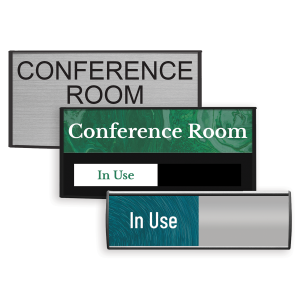
In many spaces, a conference room reserved sign or a conference room in use sign is also essential. These signs prevent awkward interruptions and wasted time. They can be static, sliding, or digital, each with a different price point. Static or sliding conference room signs are old-school at a very attractive price point, while digital signs are visually appealing but much more expensive. As with most things in life, it comes down to time and money.

Material Selection That Balances Durability and Design

The type of material used will determine how the sign looks and how long it will last. For conference room signs, durability is key because they’re touched multiple times per day, doors may bump into them, and there’s also the evening cleaners.

Aluminum is typically the most popular choice because it resists wear and looks professional in almost any setting. Brushed aluminum and black are the most common colors, but they can also be powder-coated to match a specific sign program or interior design color. Acrylic offers a more modern look and works well for branded environments. Most manufacturers, including Vista System, use a combination of the two, nicely blending durability and aesthetics. Wood is also an option and best suited in boutique offices or executive areas where traffic is lighter and the risk of vandalism is negligible.

If updates are frequent, changeable conference room signs make financial sense. These systems let you swap inserts without replacing the entire frame. Over time, they save both money and effort while keeping the space looking intentional.

When selecting materials, think about cleaning protocols. Healthcare and corporate offices often need non-porous surfaces. A sign that looks great but is hard to clean will become problematic.

Analog Versus Digital Conference Room Signs and How to Choose

Deciding whether to go analog or digital is one of the most common decisions Facilities personnel must make when choosing conference room signs. Analog signs are reliable, simple, and cost-effective, and work with or without power. For peace of mind and reliability, analog is typically the answer.

On the flip side, digital signs offer greater flexibility than analog signs. They display schedules, integrate with booking systems, and update in real time. In large offices, campuses, or shared spaces with frequent room turnover, digital conference room signs is a great solution.

The downside is complexity. Digital signs cost more upfront and require IT support. They also depend on software and network stability. If those systems fail, the sign becomes useless.

The best choice depends on how the space operates. If meetings change constantly throughout the day, digital makes sense. If room usage is stable, analog signs often deliver better long-term value.

Placement and Height That Support Natural Wayfinding

Conference room signs should be mounted at eye level, typically around 60 inches from the floor to the center of the sign. This keeps them visible to most users without forcing people to look up or down.

Signs should be placed on the latch side of the door whenever possible. This is where people naturally look as they approach. When signs are placed directly on doors, they should not interfere with handles or hardware.

Branding Without Sacrificing Readability

Custom conference room signs are a great way to reinforce brand identity. Colors, logos, and materials can all reflect the organization’s personality. The key is restraint.

Branding should support the sign, not compete with it. Logos should be smaller than the room name. Brand colors should still allow for a strong contrast. A sign that matches the brand but fails to communicate clearly misses the point.

When done right, branding on conference room signs feels intentional and polished. It quietly reinforces trust and professionalism without calling attention to itself.

Accessibility and Compliance That Protect Everyone

Conference room signs should follow ADA guidelines where required, especially in public or shared buildings. This includes tactile text, Braille, and proper mounting height. ADA compliance is defined at the federal, state, and local levels. If in doubt, contact your local Planning Department or consult the ADA standards for your area online.

Compliance also protects the organization from costly corrections later. It is far easier to design signs correctly the first time than to retrofit them later.

Final Thoughts on Getting Conference Room Signs Right

vista-system-conference-room-signs
Vista System Conference Room Signs

Conference room signs guide behavior, reduce friction, and support the daily vibe of a workplace. When typography is clean, messaging is purposeful, and when materials are chosen wisely, the results show up in smoother meetings and better experiences.

Whether you are specifying a conference room sign for one door or outfitting an entire building with changeable conference room signs, the same principles apply. Focus on clarity, durability, and usability first. A good sign should never draw attention to itself. It should simply work, every day, without anyone needing to think about it.

If you approach signage with that mindset, your conference rooms will feel more organized, more professional, and far easier to use.

Posted on

Top 5 Reasons to Choose Custom Restroom Signs for Your Space

custom-restroom-signs
Custom Restroom Signs from Vista System

When people think about restroom signs, they tend to opt for off-the-shelf signs rather than custom ones. They do so because 1) it’s faster and 2) they’re typically less expensive than custom restroom signs. In reality, other factors come into play as well.

If you are deciding between standard, off-the-shelf signage and custom restroom signs, it helps to step back and look at the bigger picture. This is not just about door labels but also about compliance, brand consistency, long-term durability, and how people experience your building. Restroom signs guide visitors, communicate professionalism, support accessibility, and quietly reinforce the care that goes into your space. In our business, astute facility and property managers are keenly aware of these factors.

Below are five reasons businesses and facility managers consistently choose custom restroom signs over generic ones, especially when they want signage that professionally represents their facility.

Custom Restroom Signs Make Compliance Clear and Stress-Free

One of the biggest reasons to choose custom restroom signs is compliance. Off-the-shelf signs often assume a one-size-fits-all approach, yet facilities rarely fit into a single mold. Wall conditions, door placement, viewing distance, and local regulations all affect what works and what does not. Custom signage allows you to design specifically for your space while meeting ADA restroom sign requirements. This includes correct tactile restroom nomenclature, Braille placement, size, and color. Instead of “taking what you get,” you can specify exactly what your building needs.

As a result, inspections run more smoothly, and future renovations are easier to manage. More importantly, you reduce risk by helping facilities use compliant signage to protect themselves from costly corrections and avoidable complaints. When compliance is built into the design from the start, you stop treating it as a hurdle and start treating it as a solved problem.

Branding Extends Beyond the Lobby

Most businesses invest heavily in branding for lobbies, conference rooms, and marketing materials; however, restrooms tend to get overlooked.

Custom restroom signs let you extend your brand throughout your facility. You can align ADA colors, materials, fonts, and finishes with your overall design language. As a result, the building feels aesthetically cohesive throughout.

For restroom signs for business environments, this consistency matters. It tells visitors that details matter and tells employees that the space was designed specifically for them, not just for corporate show.
Even subtle material considerations, such as brushed metal, back-painted acrylic, or thermoformed acrylic, can gracefully reinforce your brand.

Accessibility Feels Thoughtful, Not Forced

Accessibility is more than simply meeting minimum ADA standards. It’s about helping people feel confident as they navigate through your office space. Custom restroom signs let you design with your customers or clients in mind, rather than settling for generic layouts. We find handicap restroom signs often fail because they rely on poor contrast or awkward placement. Custom designs solve this issue by allowing you to optimize readability, visibility, and tactile clarity. That means clearer icons, better spacing, and smoother navigation for everyone.

When accessibility is integrated into the design, it feels natural versus forced. Visitors are unlikely to notice the difference, but they will experience the ease of finding their desired location. That ease builds trust in your building or campus, even if it’s subconscious. In other words, good signage removes friction; custom signage removes frustration!

Durability Protects Your Investment

Standard restroom signs are often fabricated with thin plastics or printed surfaces that wear down quickly. Corners chip, text fades, and adhesives fail. Over time, the cost of replacement adds up, especially in high-traffic environments.

Custom restroom signs are built for real-world use. You can choose materials that match the wear and tear of your facility, such as anodized aluminum, engraved acrylic, or laminated inserts. Custom restroom signs also allow you to manage the mounting and installation methods, unlike off-the-shelf signage. These mounting and installation methods directly affect how they hold up over time. Signs for restrooms should last years, not months, and custom fabrication helps ensure they do. For facilities with multiple locations, this durability turns signage from a recurring expense into a one-time investment.

User Experience Improves Immediately with Custom Restroom Signs

Clear, well-placed signs reduce hesitation and eliminate confusion, especially in large or unfamiliar buildings. It’s not only true for restroom signs but for all signs throughout the building. For more information on restroom signs, reach out to us or contact your local sign provider.